
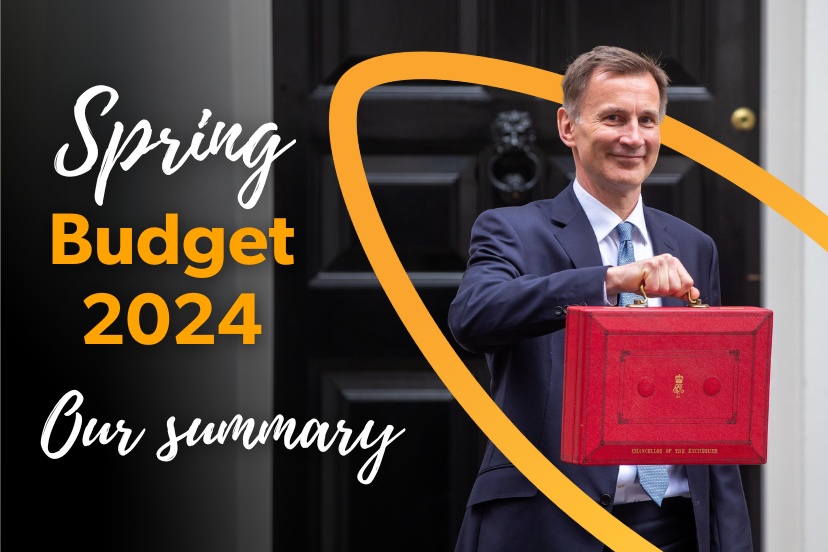
The Chancellor, Jeremy Hunt, announced his Spring Statement on Wednesday 6th March.
Stating, ‘Great budgets change history,’ Hunt outlined how he would stick to the plan to bring down taxes.
As the last major fiscal event before the next general election, and finishing his statement with the closing line of ‘Growth up, jobs up, taxes down,’ what did Hunt actually announce?
To help you understand the changes a little better, we’ve pulled together our DJH Mitten Clarke Spring Budget Report which looks at The Chancellor’s announcements in detail but we’ve summarised the key highlights for you below.
Tax & Wages
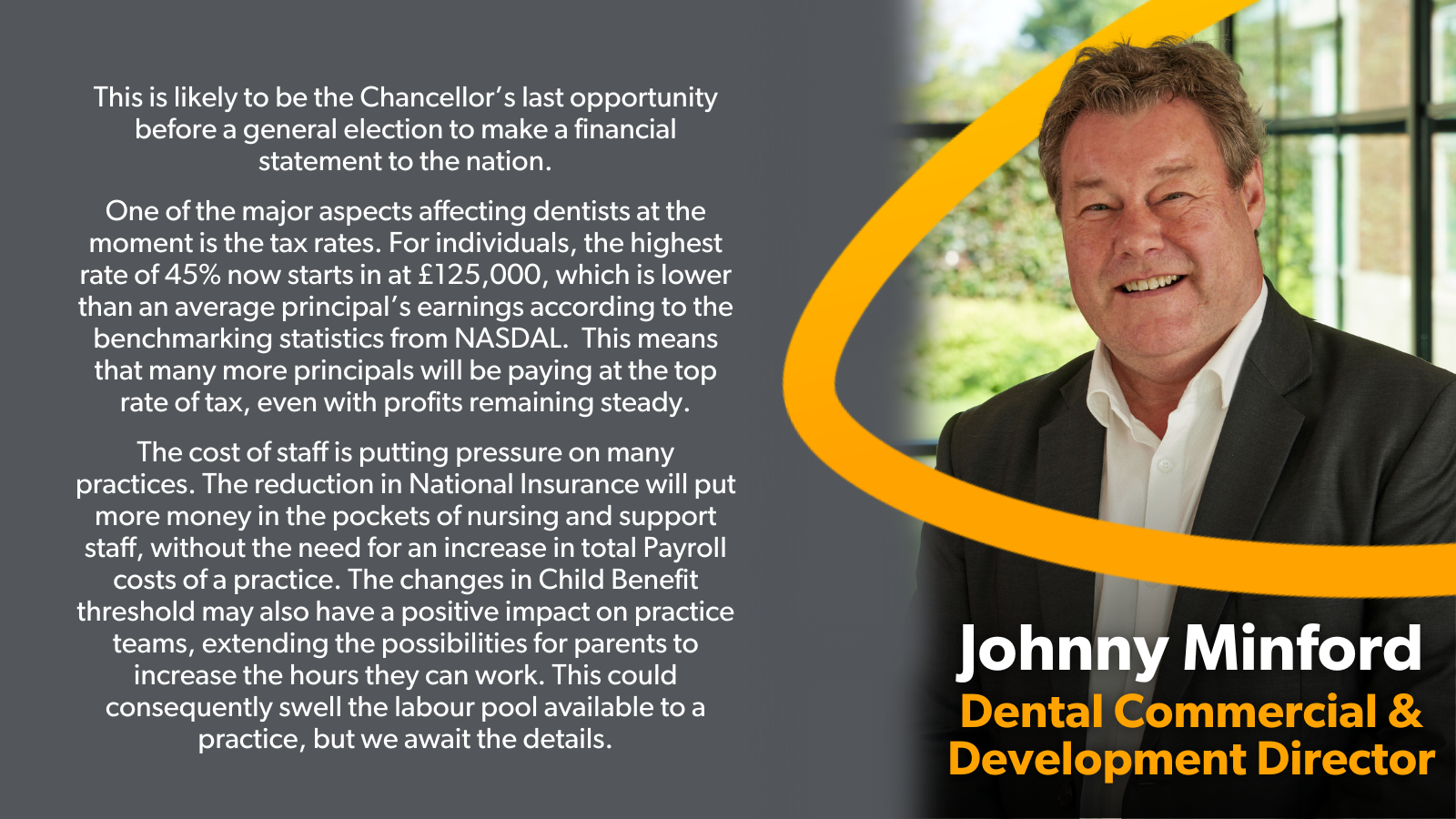
The speculation of more cuts to employee National Insurance was confirmed, with the rate cut from 10% to 8% of pay from April.
Instead of a more expensive reduction in income tax, Hunt has chosen to cut National Insurance by 2p- a move that is worth £450 annually for the average earner and aims to save workers more than £900 a year, combined with the cut that was announced last autumn. The cut is expected to be partly paid for by a series of tax increases, potentially on business class air fares, vapes and an extension to the windfall tax on oil and gas producers.
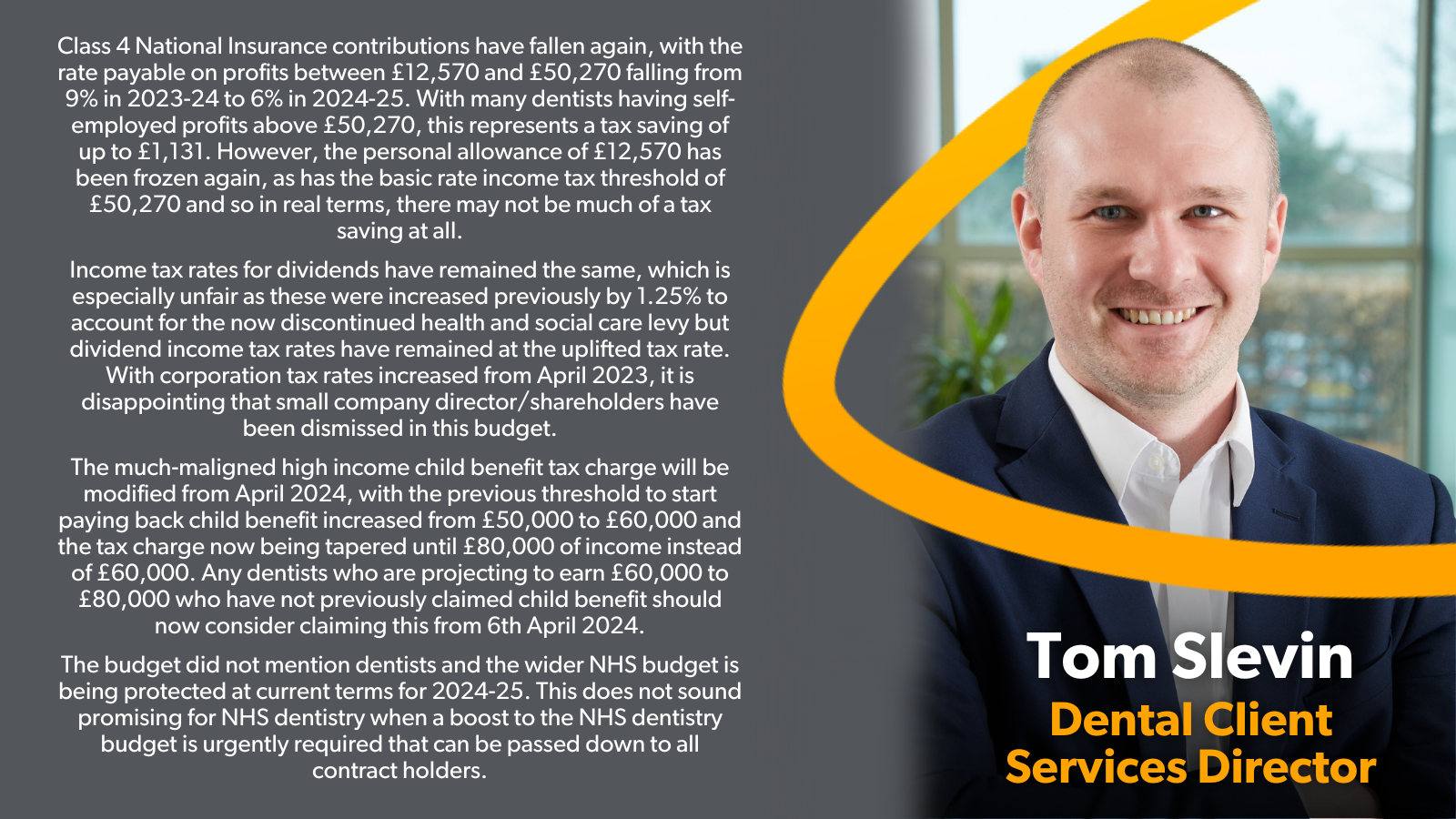
From 6 April 2024, the main rate of National Insurance contributions for the self-employed will be reduced from 8% to 6%, along with the abolition of Class 2 NICs announced at the Autumn Statement.
Hunt says the Office for Budget Responsibility (OBR), states this will put 200,000 more people in work and will increase GDP by 0.4%. He also said that this will bring personal taxes to their lowest level since 1975.
Child Benefit Boost
In our predictions article earlier this month, we alluded to increases to the High Income Child Benefit Charge (HICBC) threshold. From April 2024, the threshold at which parents start paying the HICBC will be increased, from £50,000 to £60,000, making almost half a million families better off by an average of almost £1,300 per household.
In addition, the rate at which the HICBC will be completely withdrawn will increase to £80,000 resulting in a gentler tapering.
Scrapping the non-dom regime
The government will end the current tax regime for UK non-doms for all new Foreign Income and Gains (FIG) which arise from April 2025. Under the new regime, anyone who has been a tax resident in the UK for more than four years will pay UK tax on their foreign income and gains.
Property Capital Gains Tax
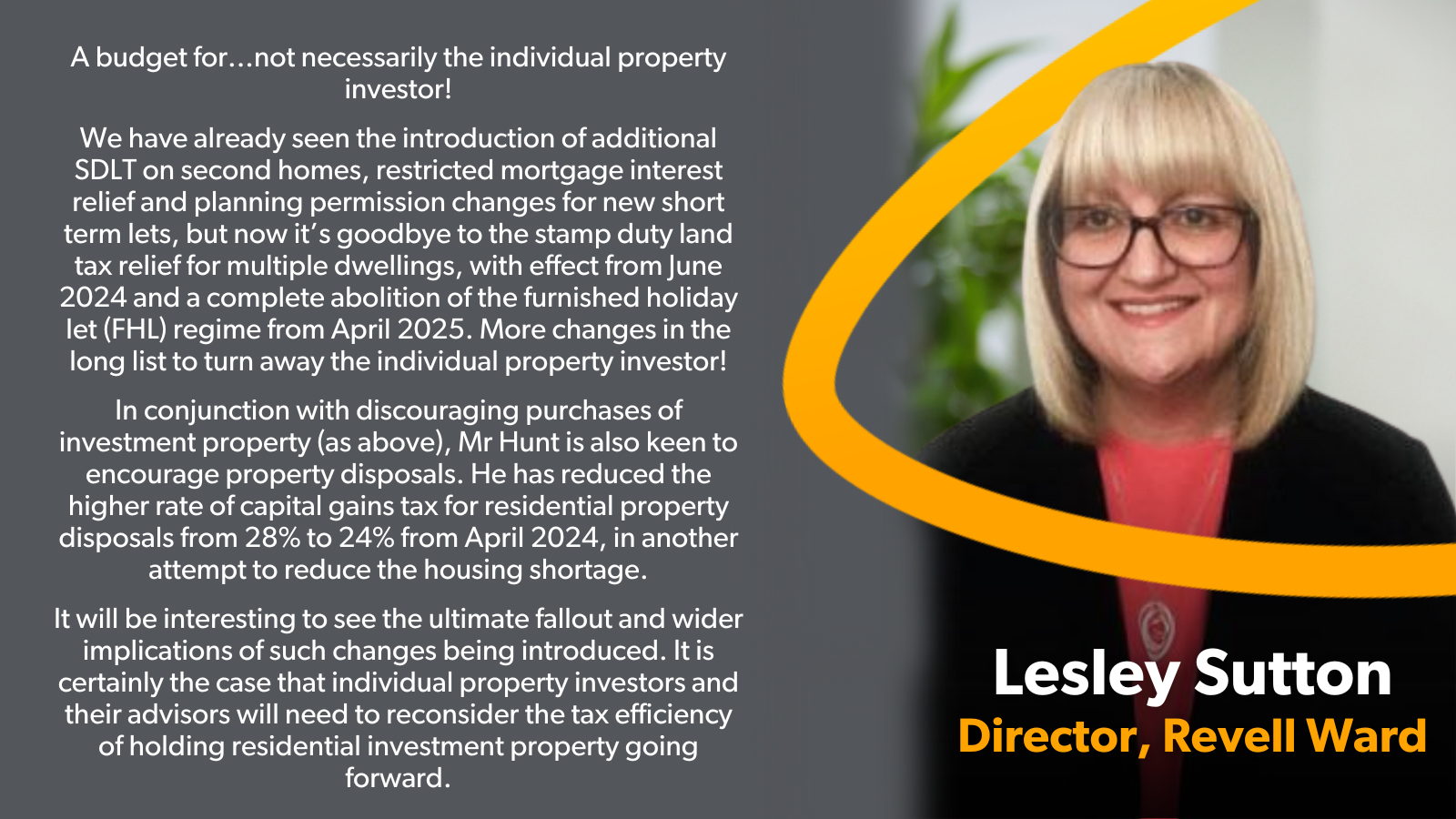
The government will reduce the higher rate of residential property Capital Gains Tax from 28% to 24%.
Holiday Lets
Hunt has confirmed plans to scrap the furnished holiday lets regime. The initiative gives favourable tax reliefs on properties being rented out to holidaymakers and make renting out to holidaymakers more lucrative than to long-term tenants.
Vaping Tax
The widely expected plans for a ‘Vaping Products Levy’ is to be paid on imports by manufacturers, specifically on liquid vapes. This will be introduced in October 2026. The move is to try and discourage children from buying the products. A one-off increase in tobacco duty has also been confirmed.
Business
‘Small businesses being able to access the finance they need to grow & invest is crucial if we’re to grow our economy,’ Hunt boldly stated, before announcing that the Recovery Loan Scheme, which has now been renamed the ‘Growth Guarantee Scheme,’ will help 11,000 SMEs to access the funding they need.
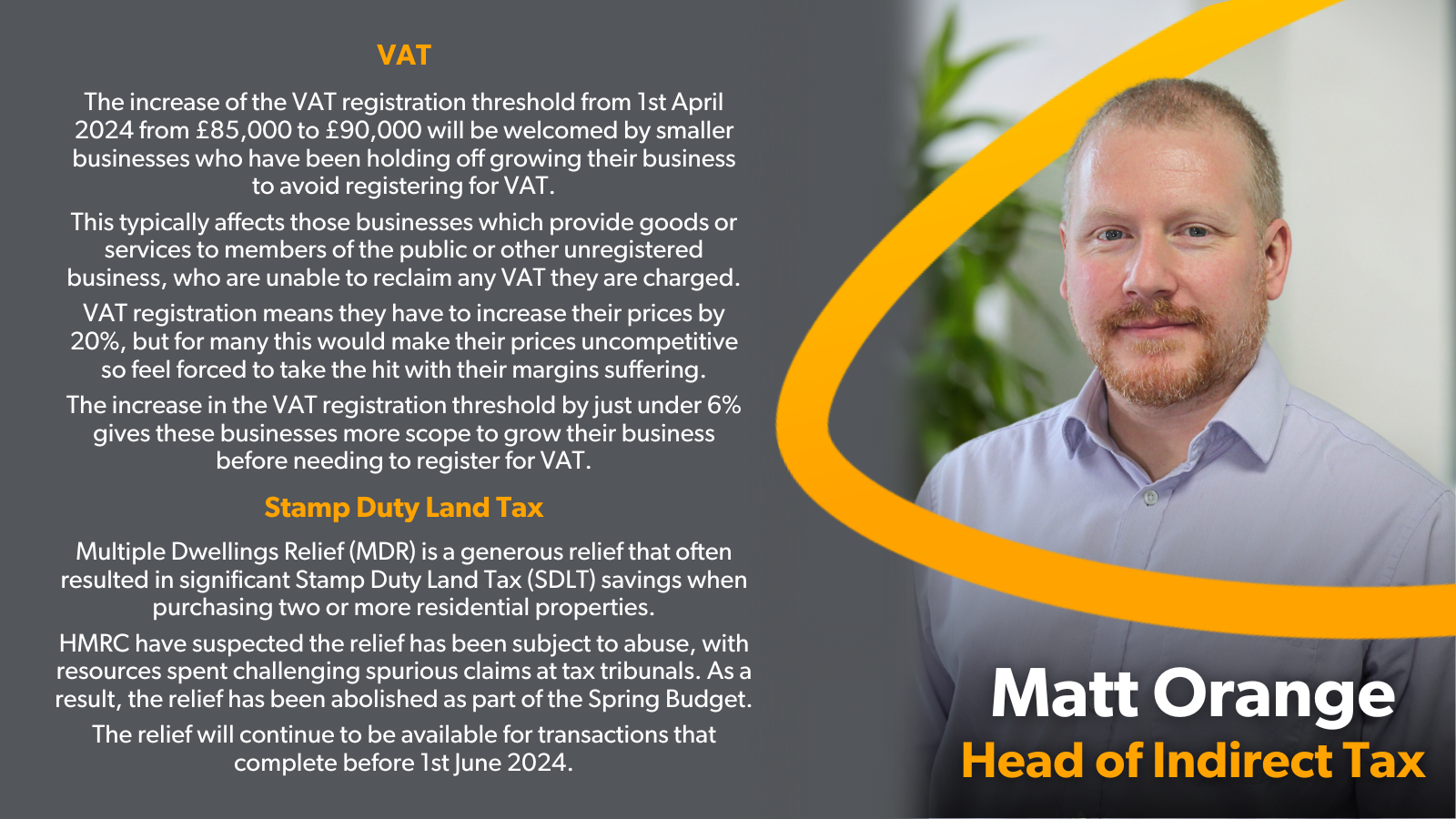
From April 1 2024, the VAT registration threshold will increase from £85,000 to £90,000 – cutting the VAT threshold for small businesses across the UK.
Savings
Hunt has announced a new ‘British ISA’ – allowing people to invest up to £5,000 more, tax free a year in UK assets, growing our economy, rewarding investors & supporting British business. This will be in addition to the existing ISA allowances.
Zones
In April 2024, the first Investment Zones in the North of England & the Midlands will be launched, with a 10-year package of funding benefitting local skills, R&D, local infrastructure & business investment.
Industries Investment
Creative
£26.4m of funding for the National Theatre, a globally renowned institution has been announced. The UK’s creative industries are a driver for economic growth – so this funding will help to ensure the National Theatre’s acclaimed productions can continue.
Sciences
Astra Zeneca have announced plans to invest £650 million in a new vaccine manufacturing facility in Speke, Liverpool & increase their presence in Cambridge.
Construction of nearly 8,000 homes will be supported by £242m of investment in Barking Riverside and Canary Wharf, London.
The money will also help transform Canary Wharf into “A new hub for life science companies”, with efforts underway to convert office space into laboratories.
Hunt also announced a “North-East trailblazer devolution deal” worth £100m, and plans to devolve more powers to Buckinghamshire, Warwickshire and Surrey.
Public Services Productivity
New plans for public sector productivity are expected to deliver up to £1.8 billion worth of benefits. This includes saving thousands of hours for police force, saving £100m for the public purse by reducing fraud and saving 55,000 hours of admin time in the justice system. But what has been announced for the NHS?
NHS
To improve NHS productivity, a £3.4 billion investment has been announced, which could help save £35bn by 2030 by:
- Expanding AI use for quicker cancer diagnosis.
- Cutting admin & freeing up capacity.
- Transforming access and services for patients So clinicians can focus on delivering care.
Future proofing the NHS is a priority. That’s why to protect day to day funding levels in real terms and supporting the NHS to continue to improve performance and reduce waiting times, an extra £2.5 billion for the NHS has been granted.
Additional measures
Alcohol duty
In the Autumn Statement, it was announced that the alcohol duty would be frozen until August 2024. The duty freeze has now been extended further till Feb 2025, as a bid to help the great British pubs.
Fuel Duty
The 5p cut to fuel duty, which was introduced in 2022 and due to run out in March 2024 has been extended.
Household Support Fund
The Household Support Fund has been extended with an extra £500million, ensuring the most vulnerable households in England continue to get help with the cost of essentials like food and energy.
£90 fee for debt relief orders scrapped
Debt Relief Orders are granted by the Insolvency Service and are specifically aimed at people on low incomes with debts of less than £30,000. This kind of order freezes debt repayments and interest for 12 months, and if their financial situation hasn’t changed at the end of this time, then debts are written off. The order carried a £90 fee – but this will now be scrapped.
A bid for the 2027 Invictus Games
Up to £26million will be provided to Veterans to underwrite the bid for Birmingham to host the Invictus Games in 2027.
So, there we have it, what could possibly be Hunt’s last Spring Statement depending on the result of the general election later this year. Phew!
What do our experts think?