



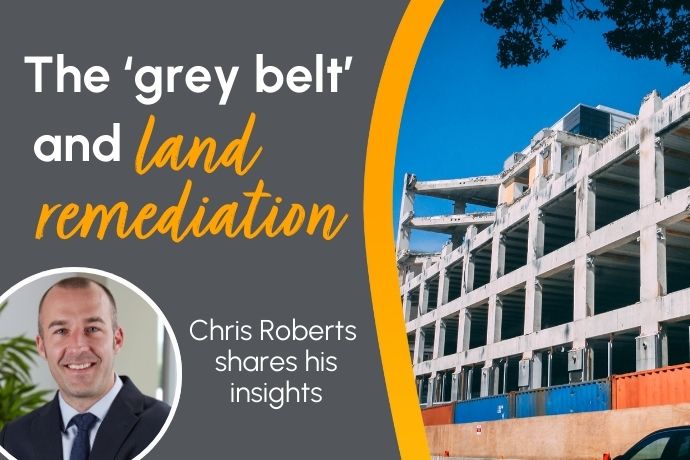
You’re likely aware of Labour’s ambitious plan to address the housing shortage by tapping into what they’re calling the “grey belt.” This term refers to underutilised land around our urban peripheries – everything from abandoned petrol stations and derelict industrial sites to neglected green spaces that have long been overlooked.
The concept is straightforward yet powerful: repurposing these underperforming spaces for much-needed housing and valuable commercial development, whilst simultaneously preserving the more environmentally significant green belt areas that surround our communities.
But here’s the catch – and it’s a significant one. Many of these sites come with considerable baggage in the form of contamination from their previous industrial use. Before we can get too excited about building new homes or commercial hubs, there’s an absolutely essential step – you simply can’t afford to ignore – land remediation.
Contaminated land risks: Why proper assessment is essential
As the old saying goes, you wouldn’t build your house on sand and you definitely wouldn’t build one on toxic soil! The same goes for warehouses, shops, or apartment blocks too. Many brownfield or grey belt sites have hidden environmental risks lurking beneath the surface, including:
- Old oil or fuel leaks
- Asbestos from previous buildings
- Heavy metals or chemical residues left behind from industrial processes
If these issues aren’t dealt with properly, they can pose serious risks to human health, damage the local environment, and even significantly reduce the long-term value of any development.
Beyond housing: Commercial property oportunities in grey belt development
While residential development dominates the headlines, savvy investors recognise that housing represents just one facet of the opportunity. Grey belt land often proves ideal for strategic commercial developments, particularly in urban fringe locations that already benefit from existing transport links and infrastructure networks.
This is where businesses and investors can really benefit. Transforming a tired bit of land into a new logistics centre, office park, or industrial unit doesn’t just add value to a portfolio; it brings much needed jobs, boosts the local economy, and helps create a more balanced approach to urban regeneration.
Land remediation explained: The critical first step for successful development
Think of land remediation as the essential groundwork – quite literally. It’s the process of making land safe and suitable for development. That might involve removing contaminants, stabilising the soil, or replacing dangerous materials with clean alternatives.
Here’s why it’s absolutely crucial to get it right:
- It protects public health – preventing risks from airborne or waterborne toxins
- It meets legal standards – developers must comply with strict environmental regulations before building
- It makes sites more valuable – clean, properly remediated land naturally attracts more buyers, tenants, and investors
- It supports truly sustainable development – because what’s the point of building eco-friendly homes on toxic ground?
Tax relief & financial incentives: Maximising returns on grey belt investments
When evaluating grey belt opportunities, the financial incentives available can dramatically improve your return on investment. The UK tax system offers several compelling benefits specifically designed to encourage regeneration of these challenging sites:
- Land Remediation Tax Relief (LRTR) – This valuable relief provides up to 150% deduction for qualifying expenditure on remediating contaminated land, potentially transforming borderline projects into highly profitable ventures.
- Capital Allowances – Substantial tax benefits are available for plant and machinery installed during the remediation process, allowing for faster depreciation and improved cash flow.
- Brownfield Development Incentives – Additional enhanced tax breaks specifically targeted at developers prioritising previously developed land over greenfield sites.
The strategic application of these incentives can significantly enhance project viability, particularly for commercial developments where profit margins might otherwise be constrained by the additional costs of remediation. Working with tax specialists who understand the nuances of these reliefs is often the key to unlocking their full potential.
Successful grey belt development: Essential steps for sustainable regeneration
It’s not just about finding suitable land and securing planning permission. For grey belt regeneration to truly succeed, several key elements need to fall into place:
- Detailed site assessments conducted before development gets underway
- Clear remediation strategies thoughtfully built into project plans from the start
- Appropriate funding and incentives that genuinely encourage investment in thorough clean-up work
- A genuine commitment to environmental quality, not just hitting housing targets
Realising grey belt potential: The commercial opportunity behind Labour’s housing strategy
Labour’s grey belt proposal offers far more than just a solution to the housing crisis – it represents a substantial tax-advantaged investment opportunity for forward-thinking businesses. The combination of strategic locations and significant financial incentives creates a compelling case for commercial development that simply shouldn’t be overlooked.
When properly approached, these sites offer a rare triple benefit: prime development locations, substantial tax relief that can dramatically improve returns, and the opportunity to demonstrate environmental leadership through sustainable remediation practices. The 150% Land Remediation Tax Relief alone can transform the economics of projects that might otherwise appear marginal, often turning challenging sites into some of the most financially attractive opportunities in your portfolio.
How we can help
Whether you’re a property developer seeking to maximise tax efficiency or an investor looking to enhance returns through strategic relief claims, our team of capital allowance specialists are on hand to help you navigate the complexities of commercial development.
The financial case is clear: grey belt investments, when coupled with expert remediation and tax planning, represent one of the most fiscally advantageous development opportunities in today’s market. The key is acting now, before these tax advantages become common knowledge and competition for these prime sites intensifies.